Colonial-Style Home Mold Prevention
TL;DR
- Colonial Style Home properties have unique mold risks that require targeted prevention and documentation strategies.
- Two-story homes with attic and basement mold risks.
- Understanding the specific moisture vulnerabilities of this property type lets you focus prevention efforts where they matter most.
- MoldLedger helps landlords manage mold compliance across all property types from a single platform.
Mold Risks Specific to Colonial Style Home Properties
Two-story homes with attic and basement mold risks. Every property type has its own set of mold vulnerabilities driven by its construction, layout, and typical use patterns. What works for a single-family ranch home does not necessarily apply to a high-rise apartment, a historic building, or a mobile home. Understanding the specific risks of colonial style home properties lets you focus your prevention efforts and budget where they will have the greatest impact.

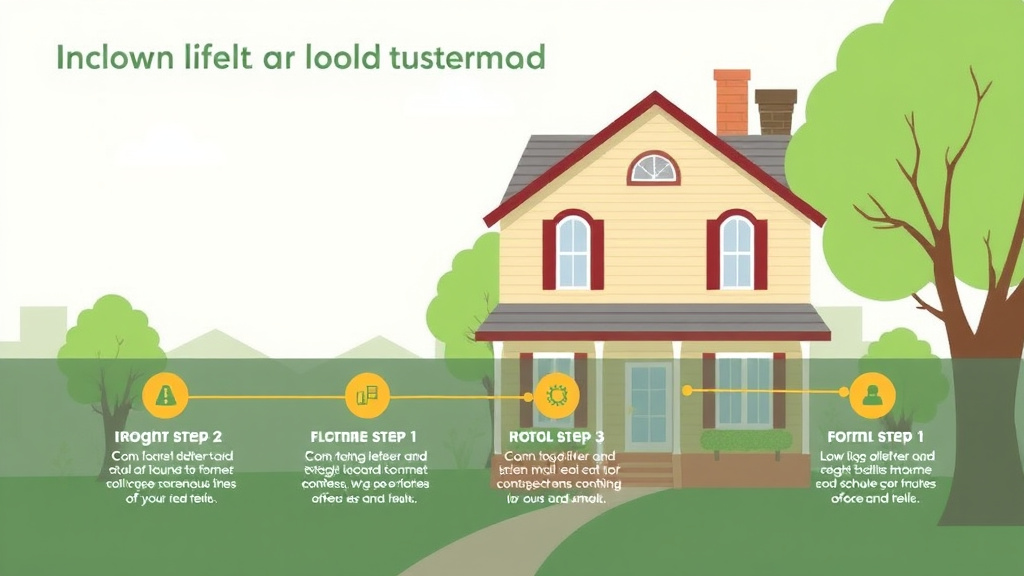
Colonial Style Home properties face particular challenges when it comes to moisture control. The construction methods, building materials, layout configuration, age, and typical tenant usage patterns all influence where and how mold is likely to develop. A landlord who understands these property-specific factors can target inspections and prevention measures more effectively than one who applies a generic checklist without regard to building characteristics.
Landlords who recognize and address these specific risks proactively will spend less on remediation over time, face fewer tenant complaints, and carry lower legal liability than those who take a one-size-fits-all approach. The investment in understanding your property type pays off in avoided problems and stronger legal positioning.
Common Mold Problem Areas
While mold can develop anywhere moisture accumulates, colonial style home properties tend to have specific high-risk areas that deserve extra attention during inspections:
| Area | Why It Is Vulnerable | Prevention Priority |
|---|---|---|
| Bathrooms | High moisture from showers and baths, often inadequate ventilation | High: exhaust fans, grout maintenance, caulk inspection |
| Kitchen | Cooking steam, under-sink leaks, dishwasher connections | High: range hood ventilation, plumbing checks, seal inspection |
| Basement or lowest level | Ground moisture, poor drainage, limited airflow | High: waterproofing, dehumidification, drainage maintenance |
| HVAC system | Condensation, ductwork moisture, filter neglect | Medium to high: regular service, drain line maintenance |
| Windows and exterior walls | Condensation, failed seals, thermal bridging | Medium: insulation, weather sealing, ventilation improvement |
| Laundry area | Dryer exhaust moisture, washer hose leaks, elevated humidity | Medium: proper exterior venting, leak detection, adequate airflow |
| Closets and storage areas | Limited airflow, items packed against walls, no ventilation | Low to medium: ensure airflow, educate tenants on spacing |
These common areas apply broadly, but the specific priority for colonial style home properties may differ based on the building's construction and features. Focus your inspection routine on the areas where this property type is most vulnerable based on its unique characteristics.
Inspection Schedule for Colonial Style Home Properties
A proper inspection schedule accounts for the specific characteristics and risk profile of colonial style home properties:
| Inspection Type | Frequency | Focus Areas |
|---|---|---|
| Move-in inspection | Every new tenancy | Full property: every room, every system, baseline photos and moisture readings |
| Seasonal inspection | Quarterly | Highest-risk areas for the current season based on property type |
| Annual comprehensive | Once per year | Full property with complete moisture meter survey and HVAC check |
| Post-event inspection | After storms, floods, pipe bursts, or any water event | All areas potentially affected by water intrusion |
| Move-out inspection | Every vacancy | Full property with comparison to move-in baseline photos and readings |
Consistent adherence to this schedule is your best prevention tool and your strongest legal protection. Skipping inspections, even when everything seems fine, creates gaps in your documentation that can be exploited if a problem is discovered later. MoldLedger sends automated reminders for every scheduled inspection across your entire portfolio, so nothing gets missed even when you are managing multiple properties.
Prevention Strategies for Colonial Style Home Properties
Based on the specific vulnerabilities of colonial style home properties, here are the most effective prevention strategies to implement:
Ventilation is typically the first and most important priority. Ensure every bathroom has a properly sized exhaust fan rated for the room size (minimum 50 CFM for small bathrooms, with higher ratings for larger spaces). Verify that all fans vent to the exterior of the building, not into the attic, crawl space, or an adjacent wall cavity. Consider installing timer switches or humidity-sensing switches that run fans automatically when moisture levels rise, removing the dependence on tenant behavior.
Moisture monitoring gives you early warning of developing problems before visible mold appears. Install hygrometers in bathrooms, basements, laundry areas, and any spaces with a history of moisture issues. Smart sensors that alert you via phone when humidity exceeds 60% are particularly useful for properties you do not visit frequently. The cost of a few sensors ($20 to $100 each) is trivial compared to the remediation costs they can help you avoid.
Drainage and waterproofing protect against water intrusion from the exterior. Ensure that grading around the building directs water away from the foundation, not toward it. Clean gutters and downspouts at least twice a year, and verify that downspout extensions carry water at least four feet from the foundation. Inspect and maintain any waterproofing membranes, sump pumps, or French drain systems.
HVAC maintenance keeps condensation under control and filters mold spores from the air. Service the heating and cooling system every six months, clean or replace filters every one to three months, and verify that condensation drain lines are clear and flowing properly. A clogged condensation line can dump gallons of water into a hidden space, creating ideal conditions for rapid mold growth.
Tenant communication is prevention too. Provide clear written instructions about ventilation expectations, moisture reporting procedures, and the tenant's role in keeping the property dry. Reinforce these expectations at move-in and through seasonal reminders. A well-informed tenant who reports a small leak immediately saves you thousands compared to a tenant who ignores a drip for three months.
Cost Planning for Colonial Style Home Properties
| Prevention Item | One-Time Cost | Annual Maintenance | ROI |
|---|---|---|---|
| Exhaust fan upgrade | $150 to $400 per fan | $0 to $50 | Prevents $1,000 to $5,000 in bathroom mold remediation |
| Dehumidifier (whole-unit or portable) | $200 to $1,500 | $50 to $200 in electricity | Prevents $2,000 to $10,000 in basement or crawl space mold |
| Moisture sensors | $20 to $100 each | Battery replacement only | Early detection saves thousands in avoided remediation |
| Gutter cleaning | N/A | $150 to $300 twice yearly | Prevents foundation moisture intrusion and basement mold |
| HVAC service | N/A | $200 to $600 | Prevents ductwork contamination, improves air quality |
| MoldLedger Home Protection Plan | N/A | $39 ($6.99/mo) | Legal protection worth $10,000+ per avoided lawsuit |
Total annual prevention investment for a typical colonial style home property runs $800 to $2,500. Compare that to the cost of a single remediation project ($2,000 to $30,000) or a lawsuit ($20,000 to $200,000+), and the return on prevention investment becomes obvious. The landlords who spend the most on prevention spend the least on problems.
Insurance Considerations for Colonial Style Home Properties
Mold coverage varies significantly between insurance policies, and many standard landlord policies exclude mold damage unless it results from a sudden, covered event like a burst pipe. Review your current policy carefully to understand what is and is not covered for your colonial style home properties.
Some carriers offer mold endorsements that add coverage for mold remediation, tenant relocation, and liability claims. These endorsements typically add $50 to $200 per year to your premium, which is a small price compared to the $5,000 to $30,000 cost of a remediation project or the $20,000 to $200,000 cost of defending a lawsuit without coverage.
When filing a mold-related insurance claim, documentation is everything. Your insurer will want to see when the moisture intrusion occurred, when you discovered it, what steps you took to mitigate the damage, and what the remediation cost. Having organized records in MoldLedger makes the claims process faster and increases the likelihood of full reimbursement.
Keep in mind that repeated mold claims can affect your insurability and premiums. This is another reason why prevention is so important. A landlord with no mold claims history will always get better rates and broader coverage than one with multiple claims on their record.
Long-Term Maintenance Planning
Mold prevention for colonial style home properties is not a one-time project. It requires ongoing maintenance, regular inspection, and periodic upgrades as building components age and conditions change. Build mold prevention into your long-term capital planning.
Roof replacement every 20 to 30 years prevents the slow leaks that cause attic and ceiling mold. Window replacement every 15 to 25 years eliminates condensation problems from failed seals. Plumbing updates every 20 to 40 years address corroding pipes that develop slow leaks. HVAC replacement every 15 to 20 years ensures efficient moisture management and air quality.
Between major replacements, routine maintenance keeps these systems functioning properly. The cost of annual maintenance is a fraction of the cost of emergency repairs, mold remediation, and the legal liability that comes from deferred maintenance. Plan for these costs in your operating budget and reserve fund, and document everything you spend on maintenance as evidence of your commitment to property upkeep.
Documentation as Your Strongest Asset
For colonial style home property landlords, documentation is not paperwork. It is your most valuable asset when a mold issue arises. A comprehensive documentation system protects you in three ways: it helps you manage properties more effectively by tracking what needs to be done and when, it provides evidence of compliance if a tenant or regulator questions your practices, and it gives your attorney the material needed to mount a strong defense if litigation occurs.
Start documenting today, even if you have not had a mold issue yet. Baseline records of clean, dry properties are just as valuable as records of problems found and fixed, because they establish that you were monitoring and that conditions were acceptable at a specific point in time.
Related Articles
- Earth-Sheltered Home Mold Prevention
- ADU Mold Prevention Guide for Landlords
- Earth-Sheltered Home Mold Prevention
More Resources
Try our free tools
Frequently Asked Questions
What are the risks of mold risks specific to colonial style home properties?
Two-story homes with attic and basement mold risks. Every property type has its own set of mold vulnerabilities driven by its construction, layout, and typical use patterns. Understanding the specific risks of colonial style home properties lets you focus your prevention efforts on the most critical areas.
What should I know about common mold problem areas?
While mold can develop anywhere moisture accumulates, colonial style home properties tend to have specific high-risk areas that deserve extra attention during inspections: bathrooms, kitchens, attics, and basements. Proper ventilation, maintenance, and moisture control in these areas are essential for mold prevention.
What should I know about inspection schedule for colonial style home properties?
A proper inspection schedule accounts for the specific characteristics and risk profile of colonial style home properties. This includes a full move-in inspection, quarterly seasonal inspections focused on high-risk areas, and an annual comprehensive review of the entire property.
What should I know about prevention strategies for colonial style home properties?
Based on the specific vulnerabilities of colonial style home properties, the most effective prevention strategies include ensuring proper ventilation, installing dehumidifiers, using moisture sensors, and implementing regular maintenance and upgrades to building components like roofs and windows.
What are the costs for cost planning for colonial style home properties?
The total annual prevention investment for a typical colonial style home property runs $800 to $2,500. This is a fraction of the cost of a single remediation project, which can range from $2,000 to $30,000, or the potential cost of a lawsuit, which can reach $20,000 to $100,000.
What should I know about insurance considerations for colonial style home properties?
Mold coverage varies significantly between insurance policies, and many standard landlord policies exclude mold damage unless it results from a sudden, covered event. Review your current policy carefully to understand what is and is not covered, and consider adding a mold endorsement for more comprehensive protection.
What should I know about long-term maintenance planning?
Mold prevention for colonial style home properties is not a one-time project. It requires ongoing maintenance, regular inspection, and periodic upgrades as building components age and conditions change. Incorporate mold prevention into your long-term capital planning, including roof and window replacements, to ensure the continued effectiveness of your prevention efforts.
What are the risks of mold risks specific to colonial style home properties?
Two-story homes with attic and basement mold risks. Every property type has its own set of mold vulnerabilities driven by its construction, layout, and typical use patterns. Understanding the specific risks of colonial style home properties lets you focus your prevention efforts on the most critical areas.
How can I identify common mold problem areas in my colonial-style home?
While mold can develop anywhere moisture accumulates, colonial-style home properties tend to have specific high-risk areas that deserve extra attention during inspections: bathrooms, kitchens, attics, and basements. Proper ventilation, maintenance, and monitoring are key to preventing mold in these areas.
When should I schedule inspections for my colonial-style home to check for mold?
A proper inspection schedule for a colonial-style home property includes a full move-in inspection, quarterly seasonal inspections focused on high-risk areas, and an annual comprehensive evaluation to identify any emerging issues.
Why are prevention strategies important for mold in colonial-style homes?
Based on the specific vulnerabilities of colonial-style home properties, the most effective prevention strategies include ensuring proper ventilation, installing dehumidifiers, using moisture sensors, and implementing regular maintenance and upgrades to address potential mold issues.
What are the costs for cost planning for colonial style home properties?
The total annual prevention investment for a typical colonial style home property runs $800 to $2,500. This is a fraction of the cost of a single remediation project, which can range from $2,000 to $30,000, or the potential cost of a lawsuit, which can reach $20,000 to $100,000.
Can my insurance policy cover mold damage in my colonial-style home?
Mold coverage varies significantly between insurance policies, and many standard landlord policies exclude mold damage unless it results from a sudden, covered event. Review your current policy carefully to understand what is and is not covered, and consider additional mold-specific coverage if needed.
Should I incorporate mold prevention into my long-term maintenance plan for my colonial-style home?
Mold prevention for colonial-style home properties is not a one-time project. It requires ongoing maintenance, regular inspection, and periodic upgrades as building components age and conditions change. Incorporate mold prevention into your long-term maintenance planning to ensure the continued health and safety of your property.