Reconstruction After Mold Remediation
TL;DR
- Rebuilding walls, floors, and finishes after mold removal.
- Proper remediation follows established protocols (IICRC S520, EPA guidelines) and requires documentation at every step.
- Post-remediation clearance testing by an independent party is essential for both tenant safety and liability protection.
- MoldReport documents the entire remediation process with timestamped records that hold up in court.
Understanding Reconstruction After Mold Remediation
Rebuilding walls, floors, and finishes after mold removal. Mold remediation is not a simple cleaning job. It is a technical process that requires specific methods, specialized materials, and thorough documentation to be done properly. When remediation is done wrong, the mold returns, tenants suffer continued exposure, and landlords face compounding liability that grows with every failed attempt.
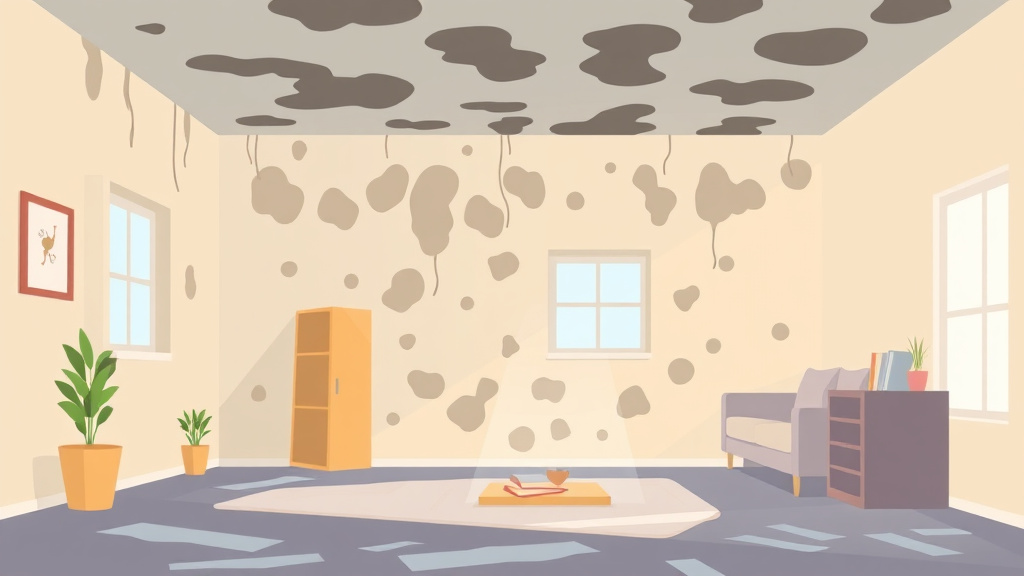
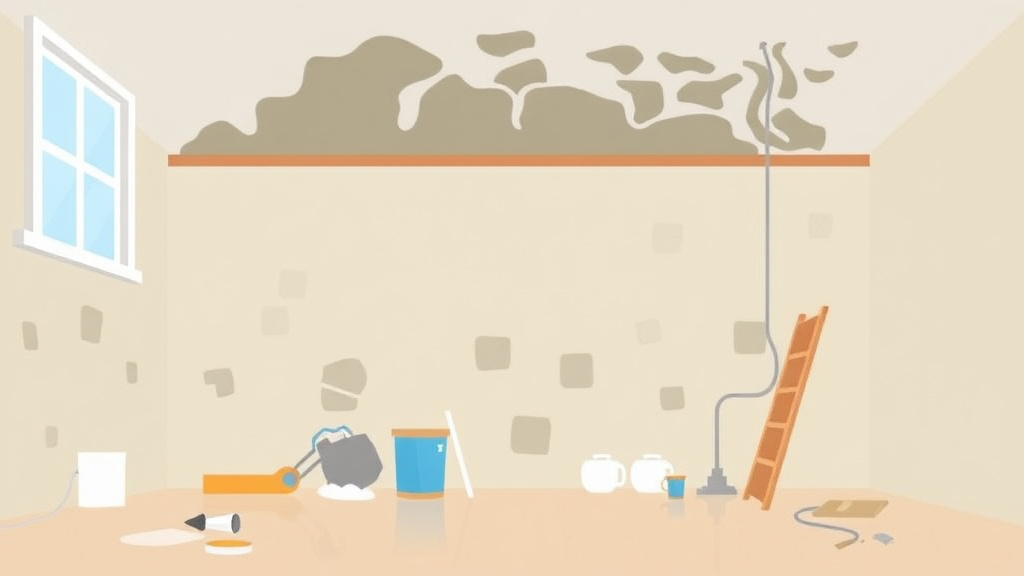
This guide covers everything landlords need to know about reconstruction after, from initial assessment through final clearance testing. Whether you are handling a small surface mold issue or managing a large-scale remediation project, the fundamental principles are the same: follow the standards, document every step, and verify the results with independent testing.
The cost of proper remediation is always less than the cost of doing it wrong and having to redo the work, or worse, defending a lawsuit because the first attempt was inadequate. Invest in doing it right the first time, and document that investment thoroughly.
Assessment and Planning
Before any remediation work begins, you need a clear and comprehensive picture of the problem. Rushing into remediation without proper assessment leads to incomplete work, missed contamination, and recurring problems. A professional assessment identifies the type of mold, the full extent of contamination, and the moisture source driving the growth.
| Assessment Component | Purpose | Who Should Perform It |
|---|---|---|
| Visual inspection | Identify visible mold and water damage throughout the area | Qualified inspector or trained maintenance staff |
| Moisture mapping | Find all areas with elevated moisture using meters and thermal imaging | Inspector with professional moisture detection equipment |
| Air sampling | Establish baseline spore counts for comparison after remediation | Independent environmental testing company |
| Surface sampling | Identify specific mold species present and their concentrations | Lab analysis of samples collected by qualified inspector |
| Scope of work development | Define exactly what areas and materials need remediation | Industrial hygienist or qualified mold assessor |
A critical best practice: the assessment should be performed by someone independent from the remediation contractor. This prevents conflicts of interest where the contractor might overstate the problem to increase the project scope and their own revenue, or understate it to minimize their work. Independent assessment ensures objectivity and gives you a baseline against which to measure the contractor's performance.
Based on the assessment, develop a written scope of work that specifies exactly what areas will be remediated, what methods will be used, what containment is required, what clearance criteria must be met, and what the expected timeline will be. This document becomes the contract specification and the standard against which the work will be judged.
Remediation Protocols and Procedures
Industry-standard remediation follows a specific sequence of steps. Each step serves a purpose, and skipping or shortcutting any of them compromises the result and your liability protection:
Containment comes first and is non-negotiable for all but the smallest projects. The remediation area must be isolated from the rest of the building to prevent cross-contamination. For small projects under 10 square feet, minimal containment with plastic sheeting may be sufficient. For medium projects (10 to 100 square feet), limited containment with a single layer of poly sheeting and negative air pressure is standard. For large projects over 100 square feet, full containment with double poly barriers, airlocks, and continuous negative air pressure is required.
Personal protective equipment must be worn by all workers in the containment area. At minimum, this includes an N95 respirator, nitrile gloves, and safety goggles. For larger projects or when dealing with toxic mold species, full-face respirators with P100 cartridges, disposable Tyvek suits, and boot covers are standard requirements. Worker safety is both an ethical obligation and a liability concern.
Removal of contaminated materials is the core of remediation. Porous materials that have been penetrated by mold (drywall, carpet, carpet pad, insulation, ceiling tiles) must be removed and disposed of as contaminated waste. Non-porous materials (metal, glass, hard plastic, concrete) can usually be cleaned and retained if the mold has not caused structural damage. Semi-porous materials like wood require judgment: surface mold can be removed, but deeply penetrated wood may need replacement.
HEPA vacuuming of all surfaces in the containment area removes loose spores and fine debris. This is done after material removal and before any treatment application. HEPA (High Efficiency Particulate Air) filters capture 99.97% of particles down to 0.3 microns, including mold spores. Regular vacuums do not provide this level of filtration and can actually spread spores.
Antimicrobial treatment may be applied to remaining surfaces to kill residual mold and help prevent regrowth. Products used should be EPA-registered for the specific application and appropriate for the surfaces being treated. Some products leave a residual protective coating, while others are designed for one-time kill. Follow manufacturer instructions exactly.
Structural drying brings moisture levels in remaining materials back to acceptable ranges. This typically requires commercial-grade dehumidifiers, high-volume air movers, and several days of continuous monitoring. Wood should dry to below 15% moisture content, drywall below 1%, and concrete below acceptable levels for the flooring that will be installed. Do not rush drying or allow reconstruction before materials are fully dry.
Contractor Selection and Oversight
| What to Verify | Red Flags to Watch For |
|---|---|
| IICRC AMRT or CMR certification | No certifications, expired credentials, or unfamiliar certifying bodies |
| General liability and pollution liability insurance | Uninsured, underinsured, or unable to produce current certificates |
| Detailed written scope of work and contract | Verbal agreements, vague proposals, or refusal to put terms in writing |
| Verifiable references from landlords or property managers | No references, only residential homeowner references, or refusal to provide any |
| Clear timeline with milestones and communication plan | Cannot commit to any schedule or is vague about duration |
| Agreement to independent clearance testing | Insists on performing their own clearance testing |
Get at least three bids for any project over $2,000. Compare scope, timeline, methods, and qualifications, not just price. Document your selection process, including why you chose the contractor you did and what qualifications they presented. This demonstrates due diligence if the work is later questioned.
Documentation During the Remediation Process
Document every day of the remediation project. This documentation serves three purposes: it helps you manage the project effectively, it proves compliance with standards, and it creates evidence for your defense if the work is ever challenged in legal proceedings.
Daily progress photos should show containment setup and integrity, material removal progress, cleaning procedures, and drying equipment placement and operation. Take photos from the same angles each day to show clear progress over time. Include wide shots for context and close-ups for detail of specific areas.
Moisture readings taken daily at multiple predetermined points track the drying curve and confirm that moisture levels are dropping toward acceptable target ranges. Plot these readings over time to create a visual record of the drying process. If readings plateau or increase, that indicates a problem that needs immediate attention.
Material disposal records document what was removed, in what quantities, from what locations, and where it was disposed. Some jurisdictions require specific disposal methods for mold-contaminated materials, including double-bagging and transport to approved facilities.
Worker logs record who was on-site each day, what tasks were performed, what PPE was used, and any issues or changes encountered. These logs are important for both project management and liability purposes.
MoldReport provides remediation project tracking tools that prompt you to capture all required documentation in real time, rather than trying to reconstruct it from memory after the fact.
Post-Remediation Clearance Testing
Clearance testing is the final and arguably most important step. Without a passing clearance report, you cannot prove the remediation was successful, and the entire project's value is undermined.
| Verification Step | What Is Checked | Passing Criteria |
|---|---|---|
| Visual inspection | No visible mold on any surface, all specified materials removed | Clean surfaces, complete removal per scope of work |
| Moisture testing | All remaining materials within acceptable moisture range | Wood below 15%, drywall below 1%, concrete at acceptable levels |
| Air sampling | Spore counts compared to outdoor baseline or pre-remediation levels | Indoor counts at or below outdoor control levels |
| Surface sampling | Cleaned surfaces tested for residual viable mold | Counts below laboratory reporting limits |
The party performing clearance testing must be independent from the remediation contractor. This independence is critical for the credibility of the results. Share all clearance results with the tenant in writing within seven days. If clearance criteria are not met, the remediation contractor must return and continue work at no additional cost until the area passes all tests.
Preventing Recurrence After Remediation
Successful remediation is only half the job. The other half is preventing the mold from coming back. Recurrence after remediation is one of the most damaging things that can happen to a landlord's legal position, because it suggests the underlying problem was never properly addressed.
Identify and permanently fix the moisture source that caused the original mold growth. This might mean replacing a section of roof, rerouting plumbing, improving drainage, adding ventilation, or installing a dehumidifier. The specific fix depends on the root cause, but it must be a permanent solution, not a temporary patch.
Monitor the remediated area for at least six months after the work is completed. Take moisture readings monthly and watch for any signs of returning moisture or mold. Document these follow-up checks as part of your remediation record. If the area stays dry and clean for six months, the remediation can be considered successful. If moisture returns, investigate and address the cause immediately before mold has a chance to re-establish.
MoldReport tracks post-remediation monitoring automatically, sending reminders for follow-up checks and storing the results alongside the original remediation records for a complete lifecycle view of the issue.
Related Articles
- Emergency Mold Remediation Response Plan
- DIY vs Professional Mold Remediation: Decision Guide
- Ceiling Mold Remediation Guide
More Resources
Frequently Asked Questions
What should I know about understanding reconstruction after mold remediation?
Rebuilding walls, floors, and finishes after mold removal. Mold remediation is not a simple cleaning job. It is a technical process that requires specific methods, specialized materials, and thorough documentation to be done properly.
What should I know about assessment and planning?
Before any remediation work begins, you need a clear and comprehensive picture of the problem. Rushing into remediation without proper assessment leads to incomplete work, missed contamination, and recurring problems. A professional assessment identifies the type of mold, the full extent of contamination, and the moisture source driving the growth.
What should I know about remediation protocols and procedures?
Industry-standard remediation follows a specific sequence of steps. Each step serves a purpose, and skipping or shortcutting any of them compromises the result and your liability protection:
What should I know about contractor selection and oversight?
Get at least three bids for any project over $2,000. Compare scope, timeline, methods, and qualifications, not just price. Document your selection process, including why you chose the contractor you did and what qualifications they presented.
What is the process for documentation during the remediation process?
Document every day of the remediation project. This documentation serves three purposes: it helps you manage the project effectively, it proves compliance with standards, and it creates evidence for your defense if the work is ever challenged in legal proceedings.
What should I know about post-remediation clearance testing?
Clearance testing is the final and arguably most important step. Without a passing clearance report, you cannot prove the remediation was successful, and the entire project's value is undermined.
What should I know about preventing recurrence after remediation?
Successful remediation is only half the job. The other half is preventing the mold from coming back. Recurrence after remediation is one of the most damaging things that can happen to a landlord's legal position, because it suggests the underlying problem was never properly addressed.
Start Protecting Your Properties Today
MoldReport gives landlords the documentation tools they need to stay compliant, reduce liability, and handle mold issues with confidence. Plans start at $29/mo.