1-800 WATER DAMAGE of Prescott & North Scottsdale

Mold Inspector in Prescott Valley, Arizona
5(5 reviews)
(928) 458-14289144 E Florentine Rd, Ste 12, Prescott Valley, AZ 86314View on Yelp
1-800 WATER DAMAGE of Prescott & North Scottsdale - mold inspector in Prescott Valley, AZ

Client Reviews

5
out of 5
5 reviews

Based on Yelp ratings

Read reviews on Yelp

About 1-800 WATER DAMAGE of Prescott & North Scottsdale

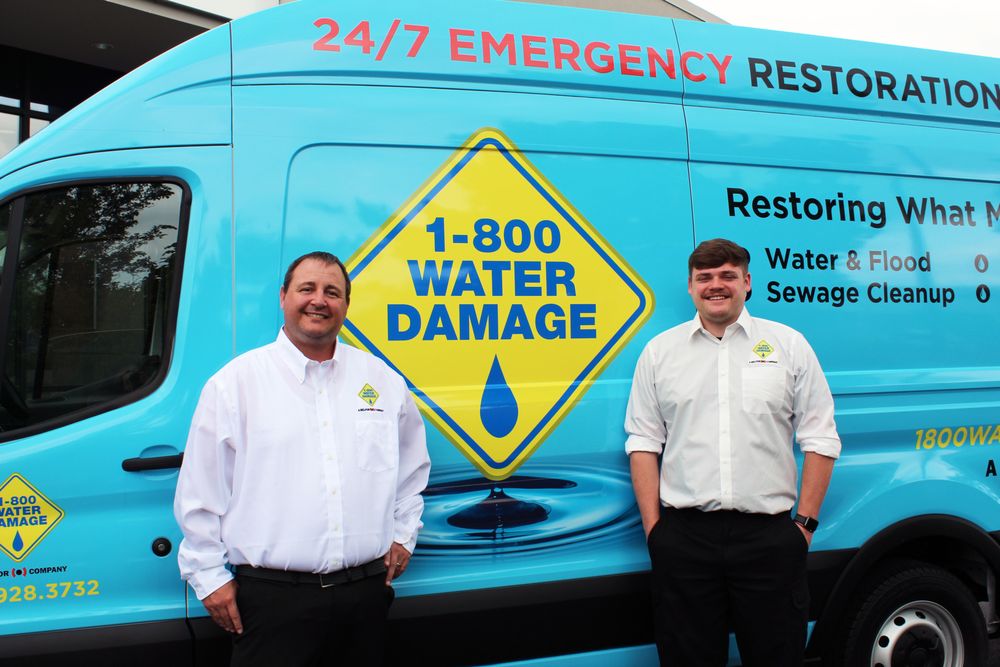
1-800 WATER DAMAGE of Prescott and North Scottsdale is a franchise operation serving the Prescott Valley area with a focus on damage restoration, biohazard cleanup, and environmental testing. They're backed by a national brand with standardized training and certification protocols, which means you're getting a level of process consistency that independent operators don't always match. Their 5.0 rating reflects a relatively lean review set, but the feedback is consistently strong. This is a company that handles the full cycle, from identifying water damage and mold to actually remediating it. That's different from inspection-only services. If you're dealing with an active loss event, a sewage backup, or a post-flood mold situation, they're built for exactly that kind of response. They work with insurance carriers and know how to document losses properly, which matters a lot when you're filing a claim.

How They Can Help

1-800 WATER DAMAGE offers water damage restoration, mold inspection and remediation, sewage and biohazard cleanup, fire and smoke damage restoration, and general environmental testing services. The mold-related work covers everything from initial assessment through full remediation, which sets them apart from inspection-only providers. For mold specifically, they do visual assessments and air sampling to determine the presence and extent of mold growth, followed by containment, removal, and treatment if remediation is needed. They use industry-standard containment protocols to prevent cross-contamination during the remediation process. Post-remediation clearance testing is available to confirm successful cleanup. Water damage mitigation is their other core offering. They use professional drying equipment, moisture meters, and thermal imaging to assess the extent of damage and monitor the drying process. Because moisture and mold go hand in hand, they're well-positioned to handle situations where water damage has already led to or is likely to lead to mold growth. They handle both emergency response and non-emergency scheduled work.

What to Expect

For emergency water damage calls, they respond quickly, assess the situation, and begin mitigation work to stop further damage. The process involves moisture mapping, setting containment if mold is present or suspected, and beginning extraction and drying. They document everything for insurance purposes as they go. For non-emergency mold assessments, the process starts with a visual inspection and air sampling if warranted. Results determine whether remediation is needed and what scope of work is appropriate. They'll walk you through findings before starting any remediation work so you understand what's being done and why. Remediation follows IICRC S520 standards, which is the industry protocol for mold remediation. This includes proper containment, HEPA filtration, and disposal procedures. After remediation, clearance testing confirms the work was effective. They provide full documentation throughout, which is especially important for insurance claims or if you're selling the property.

Service Area

1-800 WATER DAMAGE of Prescott and North Scottsdale covers Prescott Valley, Prescott, Chino Valley, and surrounding Yavapai County communities as well as the North Scottsdale corridor in Maricopa County. It's a wide geographic footprint for a single franchise, which means response times can vary depending on your location. For emergency water damage calls, proximity matters, so it's worth confirming coverage before you're in crisis mode.

Frequently Asked Questions

What's the difference between water damage mitigation and mold remediation?
Mitigation is about stopping the damage and drying out the property before mold takes hold. Remediation is about removing mold that's already grown. Ideally you do mitigation fast enough that you never need remediation, but if moisture sat long enough before it was addressed, you'll likely need both.
Does homeowner's insurance cover mold?
It depends on the cause. Mold that results from a sudden, covered water loss event like a burst pipe is often covered. Mold from long-term neglect or gradual leaks typically isn't. The documentation of when and how the water damage occurred matters a lot, which is one reason working with a company experienced in insurance processes helps.
How quickly does mold grow after water damage?
Mold can begin developing in wet building materials within 24 to 48 hours under the right temperature and humidity conditions. That's why getting mitigation started immediately after a water loss event is so important, even if the affected area looks minor.
What does IICRC certification mean?
The IICRC is the Institute of Inspection Cleaning and Restoration Certification, which sets training and standards for the restoration industry. S520 is their specific standard for mold remediation. Certified technicians have been trained on proper containment, removal, and documentation procedures, which matters for both effectiveness and liability.
Should I be concerned about mold in a Prescott-area home?
More so than in Phoenix, yes. The higher elevation means more precipitation, including snow and spring rain, and the older housing stock often includes crawl spaces and basements that don't exist in most Phoenix-area construction. Those spaces are prone to moisture accumulation and worth inspecting regularly, especially after wet seasons.
Can I stay in my home during mold remediation?
It depends on the extent and location of the work. For small, contained remediation jobs in a single room, it's often possible to remain in the home. For larger projects or situations where HVAC systems are involved, temporary relocation may be recommended to avoid exposure to disturbed spores during the process.
How do I know if the remediation was successful?
Post-remediation clearance testing is the only objective way to confirm success. Air samples taken after the job is complete and compared against outdoor baseline levels tell you whether spore counts are back within acceptable ranges. Don't rely solely on the remediation contractor's own assessment. Independent testing gives you documentation and peace of mind.
Do you work with insurance adjusters directly?
Yes. They're experienced with the documentation and scope formats that insurance carriers need, and can coordinate with adjusters throughout the process. This is particularly helpful for larger losses where the claims process can otherwise become a significant secondary burden on top of dealing with the actual damage.

Need to Document Your Mold Compliance?

MoldReport helps landlords and property managers maintain court-ready mold compliance documentation. Document everything. Defend against mold lawsuits.

Start Documenting

Nearby Cities with Mold Inspectors

MoldReport
Start Free Trial